Terra Station Wallet: A Unique, Practical Guide to Using It Safely (2026)
If you’ve ever tried to manage crypto across a wallet and wondered, “Where is my transaction?” or “Did my transfer really go through?”—you’re exactly the kind of user Terra Station was built for. Terra Station is a popular wallet used in the Terra ecosystem, making it easier to send and receive tokens, manage accounts, and interact with on-chain applications.
In this guide, we’ll go beyond the basic “click here, paste this” instructions. You’ll learn what Terra Station is, how it fits into the Terra ecosystem, how to use it confidently for common tasks, and what safety habits matter most—especially when you’re dealing with seed phrases, approvals, and network settings.
Note: Crypto platforms evolve quickly. Always confirm you’re using the official wallet and the correct network before signing or sending transactions.
1) What Is Terra Station?
Terra Station is a self-custody wallet designed for interacting with Terra-based networks and applications. “Self-custody” means you control your private keys (via your wallet/seed phrase), so your funds aren’t held by a third party like a centralized exchange.
From a user perspective, Terra Station helps you:
- store Terra-related assets,
- send and receive tokens,
- view transaction activity,
- connect to dApps (decentralized applications),
- and manage wallet settings and security options.
Think of Terra Station as the bridge between you and the blockchain: it builds transactions, prompts you to sign them, and then broadcasts them for the network to process.
2) Why Wallet UX Matters (And Why Terra Station Is Popular)
Many wallets look similar until you hit real-world situations—like:
- a transaction takes longer than expected,
- you’re trying to send tokens to the wrong address format,
- a dApp asks for an approval you don’t understand,
- or you need to confirm whether a signature did anything.
Terra Station’s popularity is largely tied to user-friendly workflows for common actions. Even if you’re not technical, it’s designed to make key tasks understandable: addresses, amounts, confirmations, and signature prompts.
That said, the wallet being user-friendly doesn’t replace the need for caution. Your safest strategy is to combine good UX with solid security habits.
3) The Two Things You Must Understand Before You Start
Before using Terra Station (or any wallet), make sure you fully understand these two concepts:
A) Seed phrase = full control
Your seed phrase is effectively your master key. Anyone with it can control your wallet. No support agent, no app, and no “verification” site should ever ask for it.
B) Signing is permission, not just a “button press”
When you sign something in a wallet, you’re authorizing cryptographic action(s). Sometimes that’s a one-time transfer. Other times it can be an approval that allows a dApp or contract to spend tokens on your behalf.
Approvals are powerful—and that’s where many real losses happen.
4) Setting Up Terra Station (Step-by-Step)
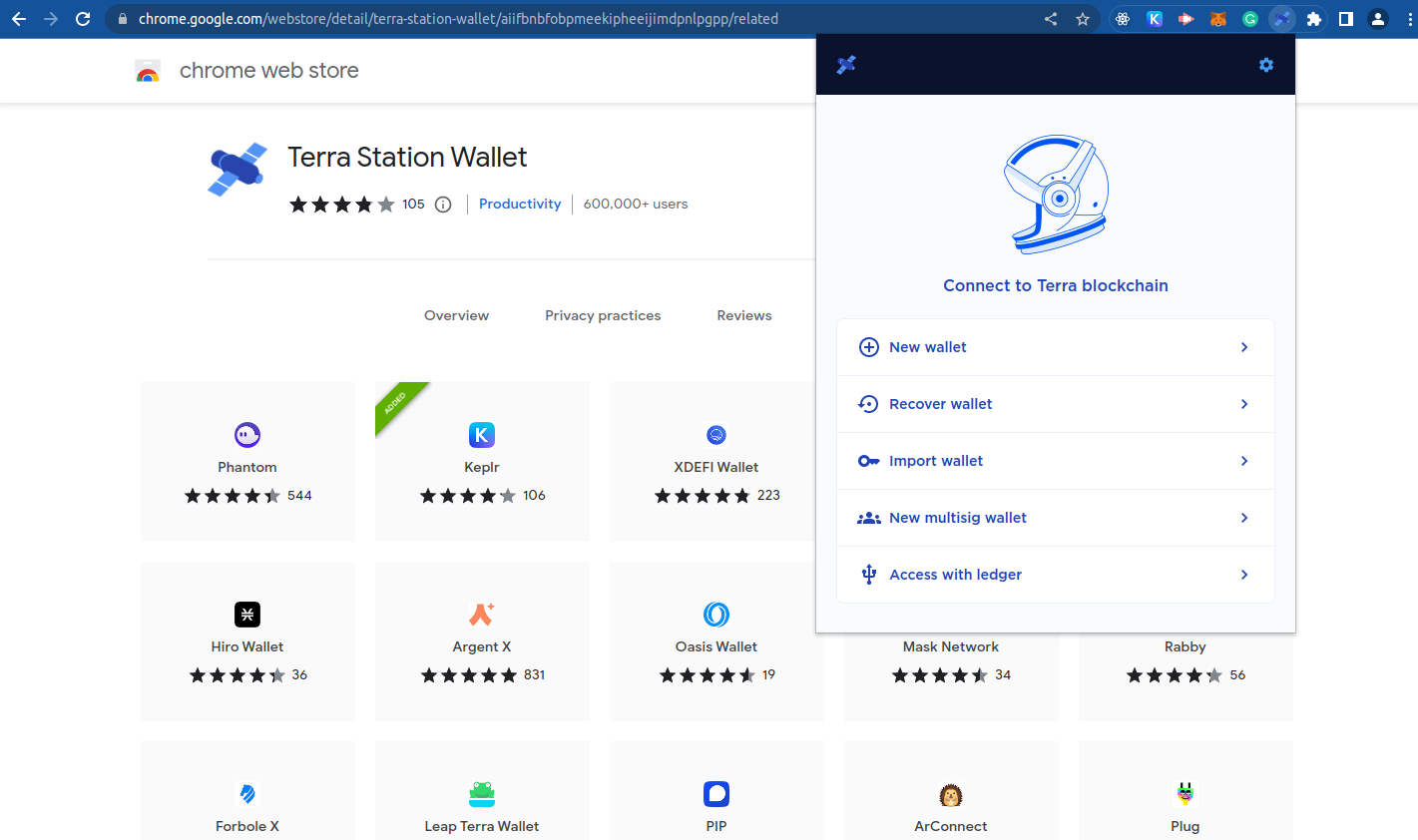
While interfaces can vary slightly over time, the setup flow is typically:
-
Get Terra Station from a trusted source
- Use the official website or official browser extension listing.
- Avoid clones, ads, and “download mirrors.”
-
Create a wallet
- Terra Station will generate a seed phrase.
- Write it down carefully (in order, with correct spelling).
-
Secure your seed phrase
- Never store it in plain text notes on a cloud drive.
- Avoid screenshots.
- Avoid sending it to yourself via email/DM.
- Consider a secure offline method.
-
Confirm the seed phrase
- Many wallets ask you to verify a few words.
- Complete verification only in the trusted wallet setup screen.
-
Start using the wallet
- You’ll receive a wallet address (public key/address).
- You can now send/receive supported tokens.
Pro tip: Treat setup as a one-time “security event,” not a casual installation. The way you handle the seed phrase determines how secure everything else is.
5) Core Wallet Tasks
Task 1: Receiving tokens
When you receive tokens, Terra Station shows your address (and sometimes QR codes). To avoid mistakes:
- Verify the token/network compatibility.
- Confirm you’re using the right address format.
- Double-check decimals and token type if you’re copying from another source.
Reminder: Sending to the wrong network or token address format can make funds unreachable.
Task 2: Sending tokens
A typical send flow includes:
- Select token
- Enter recipient address
- Enter amount
- Review fee/network details
- Confirm and sign
Best practices while sending:
- Paste the address, then re-check it character-by-character if possible.
- Test with a small amount if you’re doing a new recipient.
- Confirm the wallet shows the expected token and network.
Task 3: Viewing balances and transaction history
Terra Station will typically show:
- current balances,
- recent transactions,
- and pending activity (depending on explorer indexing).
If you don’t see a transaction immediately:
- refresh after a short time,
- confirm the correct network,
- and check transaction finality (some chains have confirmation/settlement behavior that can cause brief delays).
6) Connecting Terra Station to dApps Safely
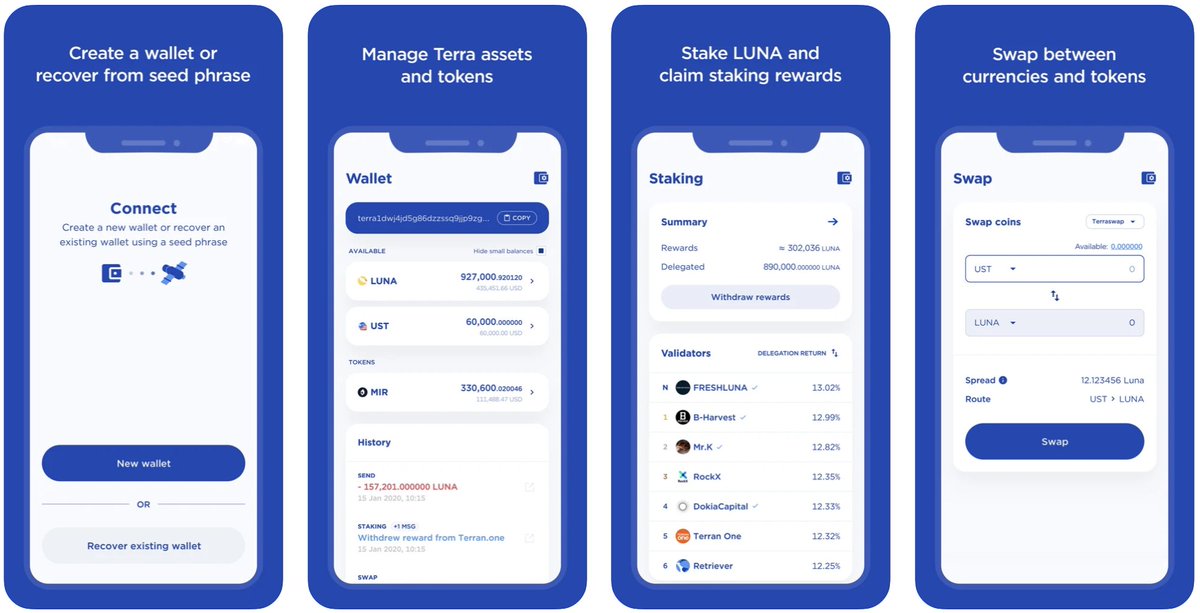
Using Terra Station with decentralized apps (like swaps, lending, or staking interfaces) is where wallets become most useful. But it’s also where risk concentrates.
A typical connection flow looks like:
- You open a dApp
- Click Connect wallet
- Terra Station prompts you to authorize access
- You sign actions for deposits, swaps, staking, etc.
A) When connecting, look for clear permissions
If the dApp asks for permissions you don’t recognize:
- pause,
- read the request carefully,
- and consider whether a smaller test interaction is safer.
B) Avoid signing “mystery” transactions
If a signature request includes unclear data and you don’t understand what it does, don’t sign blindly.
C) Revoke approvals when possible
Some wallets and dApps provide tools to revoke token spending approvals. If your wallet supports it (or if external approval tools exist for your environment), revocation is a safety step that reduces long-term risk.
7) Approvals Explained in Plain English (Why People Get Burned)
An approval often means:
“You can spend up to X amount of my tokens for contract Y.”
In many scams, attackers trick users into signing an approval that allows massive token spending or approves a malicious contract. Then the attacker drains tokens using that allowance.
How to reduce approval risk:
- Prefer actions that do not require unlimited approvals (if the dApp offers limits).
- Use small amounts first.
- Revoke approvals you no longer need.
If Terra Station shows an approval limit option, choose a tight number whenever possible.
8) Common Issues and How to Troubleshoot
Problem 1: “My transaction is stuck”
If a transfer appears pending for a long time:
- check the transaction status in a blockchain explorer (using the tx hash),
- confirm you used the correct network,
- ensure you didn’t run into wallet/network connectivity issues.
Sometimes network congestion affects inclusion timing, but failed transactions should usually reflect an error.
Problem 2: “I connected but nothing works”
This can happen due to:
- wrong network selection,
- browser extension conflicts,
- or dApp compatibility issues.
Try:
- switching to the intended network,
- refreshing the dApp,
- reconnecting the wallet.
Problem 3: “I can’t find my balances”
Balances displayed on wallet UIs can depend on indexing and sync. If you don’t see expected balances:
- wait a moment,
- confirm correct network,
- verify token support (some tokens only appear after specific indexing or activity).
9) Security Checklist for Terra Station Users
Use this checklist before and after every important action.
Before any transaction
- Confirm you’re on the official Terra Station / official dApp.
- Double-check token + network.
- Verify recipient address carefully.
- Never share seed phrase or private keys.
When signing
- Read the summary (amount, recipient/contract, spender allowance).
- Refuse to sign if you don’t understand.
- Start with a small test amount for new dApps.
After any risky action
- Re-check approvals.
- Revoke if no longer needed.
- Monitor wallet activity.
10) Who Should Use Terra Station?
Terra Station is a good fit for:
- users who want self-custody and direct control over transactions,
- people who frequently interact with Terra ecosystem dApps,
- beginners who want a structured UI for approvals and transactions,
- experienced users who prefer transparency and direct signing.
If you’re purely using a centralized exchange for everything, a wallet may feel like extra work—until you want to participate in on-chain activity. For DeFi participation, a wallet isn’t optional.
11) Building Confidence: A Safe Learning Path
If you’re new to Terra Station, consider a learning journey like this:
- Day 1: Create wallet + write seed phrase + verify basics.
- Day 2: Receive a small amount of a token.
- Day 3: Send a small amount to a test address.
- Day 4: Connect to a reputable dApp with minimal actions.
- Day 5: Practice revocation/understanding approvals (if applicable).
- Week 2: Start doing more complex interactions—but still start small.
Confidence in crypto comes from understanding what you sign and being comfortable verifying each step.
Conclusion: Terra Station Is Powerful—But Your habits Decide the outcome
Terra Station isn’t just an app—it’s a control interface for your crypto life. The wallet can make transactions easier, but safety is still mostly about your decisions: protecting your seed phrase, understanding approvals, signing only what you intend, and verifying network/token details.
If you treat Terra Station like a cockpit—where every control and confirmation matters—you’ll avoid the most common mistakes and use on-chain opportunities with much more confidence.
Things people ask about Terra Station
1) What is Terra Station?
Terra Station is a self-custody crypto wallet used to store and manage assets on Terra-based networks. It also lets you connect to dApps to send, receive, and interact with on-chain services.
2) Is Terra Station safe to use?
It can be safe if you use the official wallet, keep your seed phrase private, and only connect to trusted dApps. As with any self-custody wallet, the biggest risks come from phishing sites, malicious approvals, or sharing your seed phrase.
3) How do I create a Terra Station wallet?
You typically create a wallet inside the app/extension. Terra Station will generate a seed phrase—you must write it down and store it securely. Then you confirm it during setup and start using your wallet address.
4) What is a seed phrase and why is it important?
A seed phrase is your wallet’s key backup. Anyone who has it can control your funds. Never share it with anyone or enter it on websites you don’t fully trust.
5) How do I receive tokens in Terra Station?
You open your wallet and copy your receive address for the correct network/token. Then paste that address into the sender’s wallet/exchange. Always confirm the network matches to avoid sending funds to the wrong place
6) Why is my transaction pending or not showing yet?
Delays can happen due to network congestion, indexing delays, or using the wrong network in the wallet/dApp. Wait a bit, confirm the network, and check the transaction status using the transaction hash if needed.
7) What should I check before I send tokens?
Before sending, verify:
- the recipient address (copy/paste carefully),
- the token type and network,
- the amount and the network fee,
- and that the wallet confirms the transaction details correctly.
8) What does “approve” or “allow” mean when using dApps?
9) Can I use Terra Station on multiple devices?
10) What should I do if I suspect a scam or have signed something risky?
If you entered a fake site or signed an unwanted approval, immediately:
- stop using the compromised wallet for new actions,
- revoke/limit approvals if your setup allows it,
- consider creating a new wallet and moving funds (if possible),
- and stay alert for further phishing attempts.
If you tell me your target audience (beginners vs. DeFi users), I can rewrite these FAQs with the exact level of detail you need.